Bazaar · Historic Peninsula
Grand Bazaar
One of the world's oldest covered markets, grown around two domed bedesten halls from the reign of Mehmed II into a maze of vaulted streets and hans.
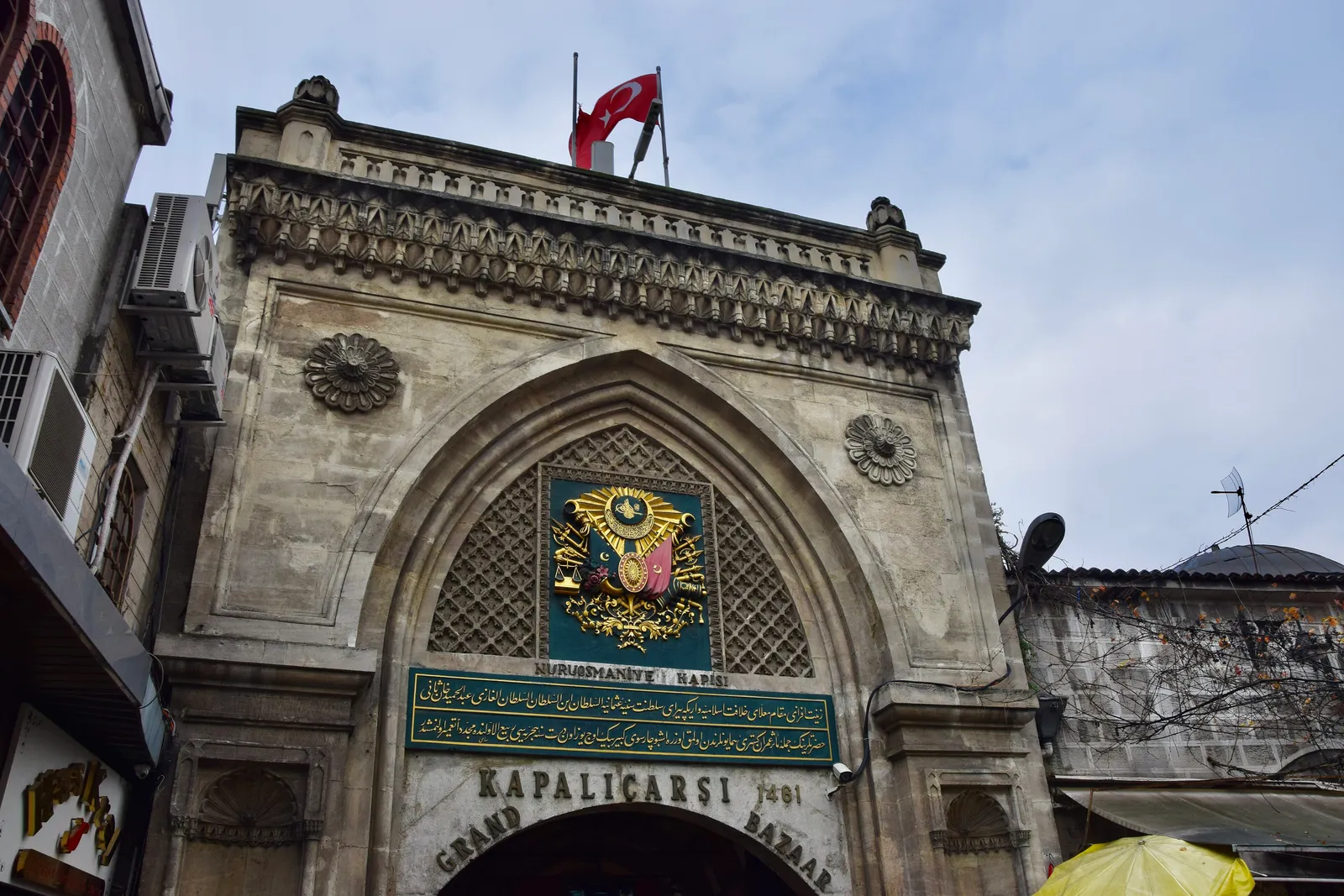
Don't miss
- 01Cevahir (Inner) Bedesten
- 02Sandal Bedesten
- 03Nuruosmaniye and Beyazıt gates
- 04Main streets with painted vaulted ceilings
Opening hours
Check opening hours with the official source
Not verified yet · check the official site
Tickets
Free
Not verified yet · check the official site
Getting there
| Stop | Line | Walk |
|---|---|---|
| Beyazıt-Grand Bazaar | T1 Kabataş–Bağcılar tram | 330 m · 5 min |
| Çemberlitaş | T1 Kabataş–Bağcılar tram | 470 m · 6 min |
Address: Beyazıt Mah., Fatih
Walking times were measured along walking routes; crowds and security queues are not included.
Not verified yet · check the official site
Short history
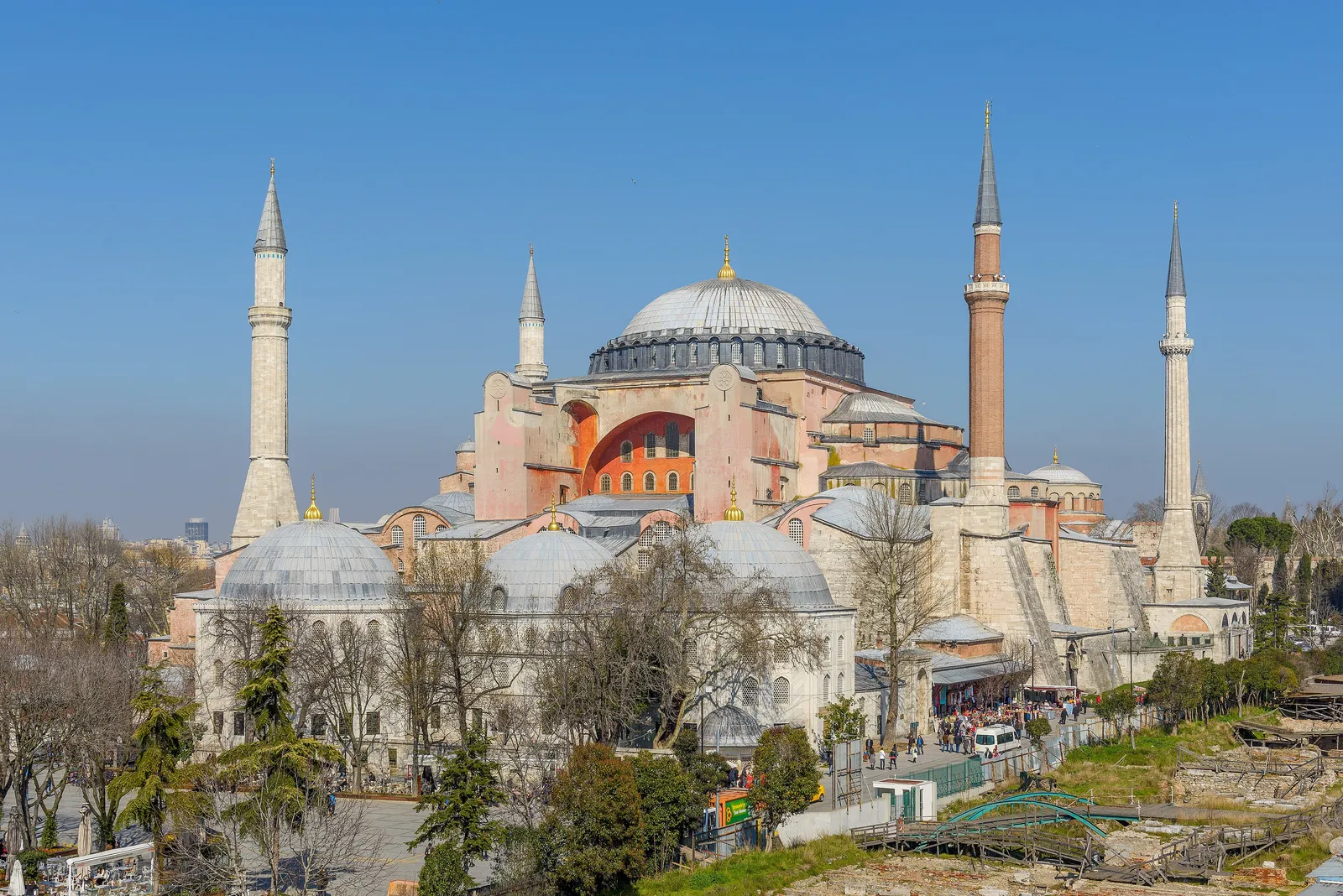
The core of the bazaar is the Cevahir (Jewellers') Bedesten, built by Sultan Mehmed II soon after the conquest of Istanbul. Valuable goods were stored and traded in this thick-walled, domed hall, and its income was assigned to the endowment of Hagia Sophia. A second hall, the Sandal Bedesten, was soon added nearby.
Over time the streets between and around the two halls filled with shops and were roofed with vaults, until the bazaar became a gated complex covering the area between the Beyazıt and Nuruosmaniye mosques. The surrounding hans served as workshops, warehouses and lodgings for merchants.
The bazaar was badly damaged by fires and earthquakes throughout its history. It was extensively repaired after the 1894 earthquake and again after a fire in 1954, and it remains a working market today.
Not verified yet · check the official site
Visitor rules and accessibility
- Dress code: none
- Photo rules unknown
- Accessibility unknown