Mosque · Historic Peninsula
Chora (Kariye) Mosque
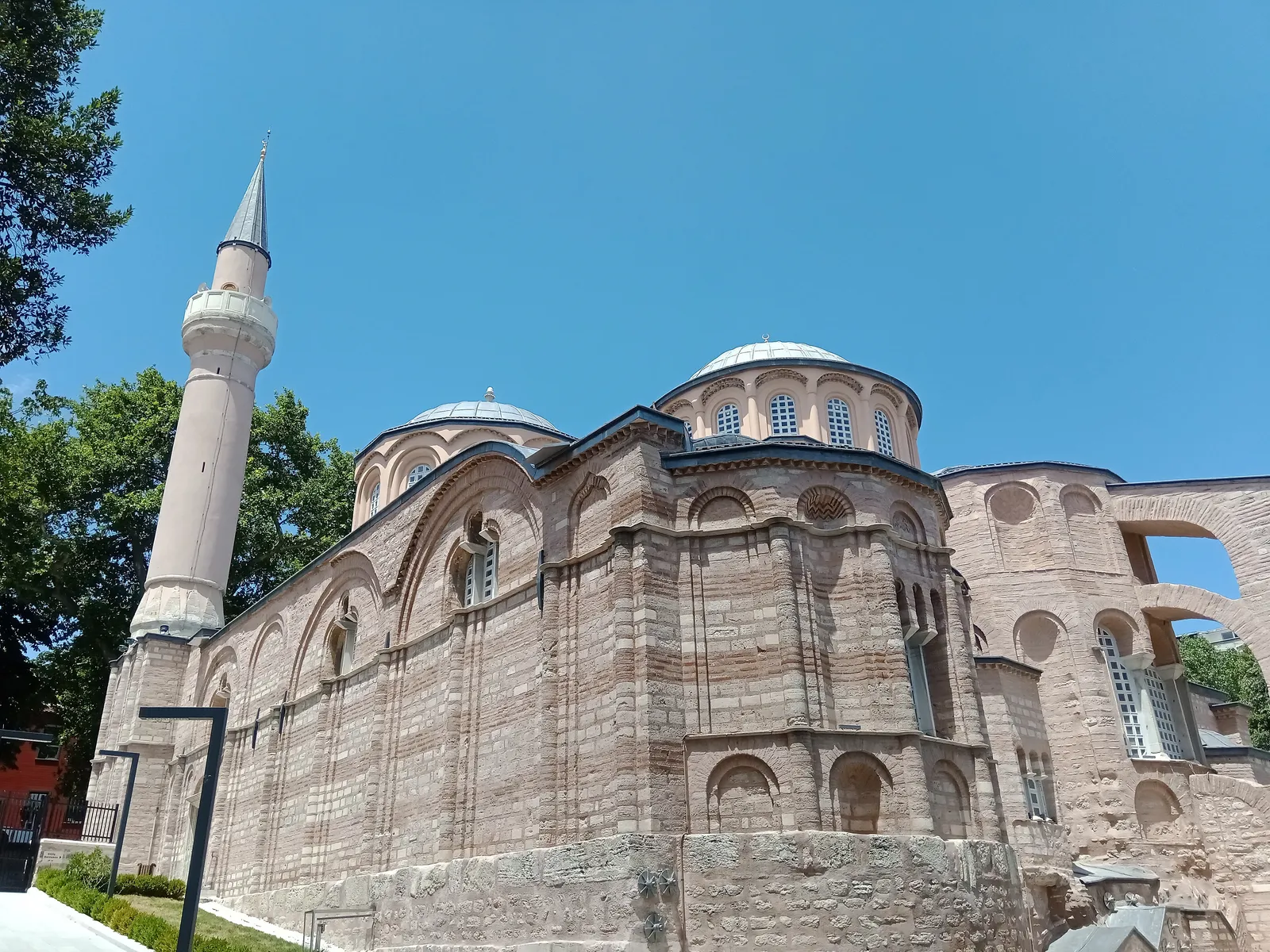
The former church of the Chora Monastery near the land walls, famous for its 14th-century mosaics and frescoes and used today as a mosque.
Don't miss
- 01Mosaics of the outer and inner narthex
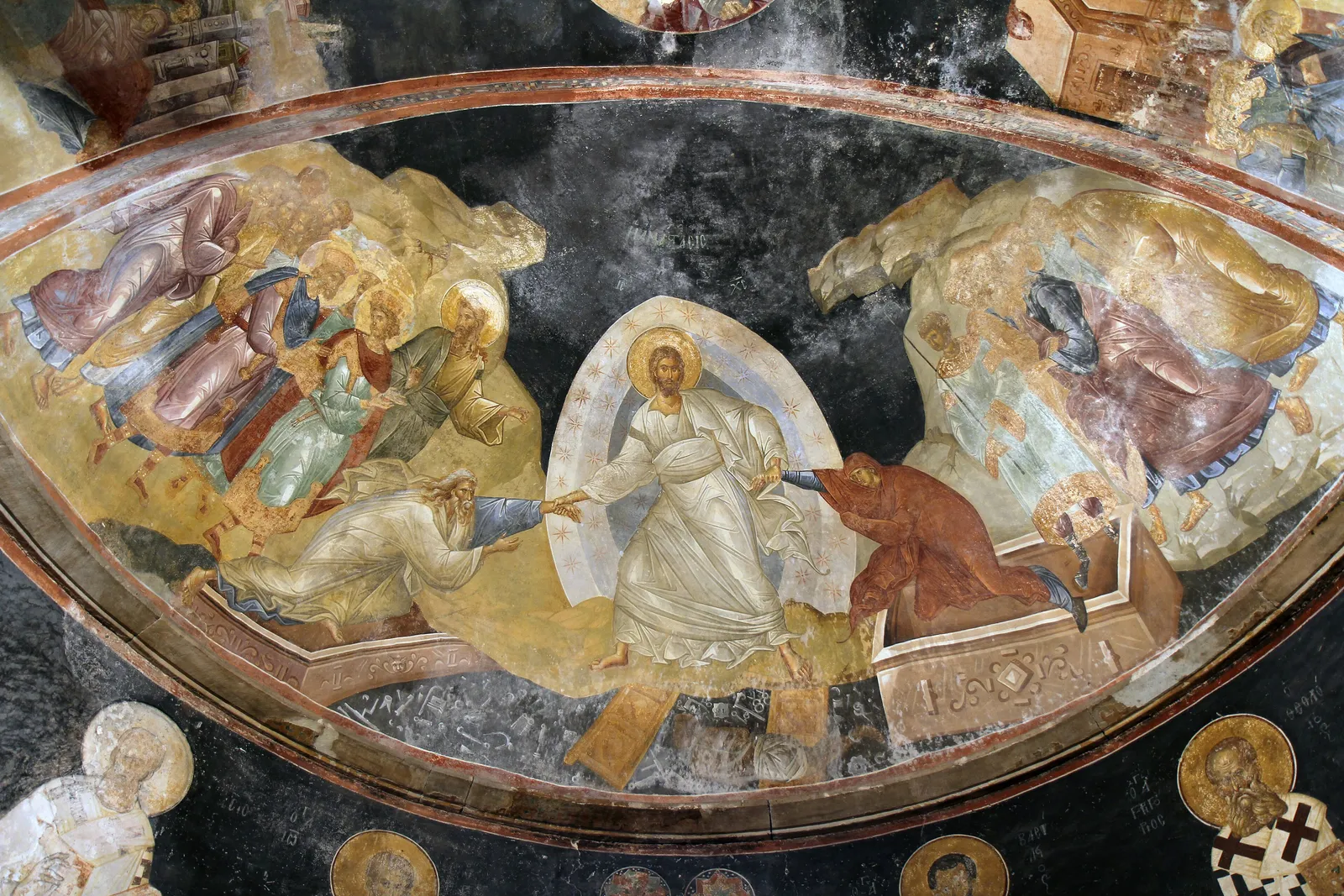
- 02Anastasis fresco in the parekklesion
- 03Mosaic of Metochites presenting the church
- 04Mosaic cycle of the life of the Virgin Mary
Opening hours
Check opening hours with the official source
Not verified yet · check the official site
Tickets
| Visitor | Price |
|---|---|
| International visitor | €20 |
- Tickets are sold on site only
The fee applies to foreign visitors and follows the Ministry of Culture and Tourism announcement of 2024; check before your visit. Turkish citizens and worshippers enter free. On Fridays the mosque is open for worship only, and tourist visits pause at prayer times. Museum passes are not accepted.
Not verified yet · check the official site · Source: Haber7 – Bakan Ersoy'un Kariye Camii ziyaret ücreti açıklaması (31.07.2024)
Getting there
| Stop | Line | Walk |
|---|---|---|
| Edirnekapı | T4 Topkapı–Mescid-i Selam tram | 670 m · 9 min |
Address: Derviş Ali Mah. Kariye Camii Sk. No:18, Fatih
Walking times were measured along walking routes; crowds and security queues are not included.
Not verified yet · check the official site
Short history
The building began as the church of a monastery outside the city's land walls; its name comes from the Greek word khora, meaning "countryside" or "outside the city". The main body of the present structure was rebuilt in the 11th and 12th centuries under the Komnenos dynasty.
Its finest period came in the early 14th century. Between 1315 and 1321 the Byzantine statesman and scholar Theodore Metochites had it restored and added the outer and inner narthexes and the side chapel (parekklesion), together with the mosaics and frescoes that cover them. The scenes from the lives of Christ and the Virgin Mary are among the best-preserved examples of late Byzantine painting.
In the early 16th century, under Sultan Bayezid II, the grand vizier Atik Ali Pasha converted the church into a mosque. It became a museum in 1945 and opened to visitors in 1958 after restoration by the Byzantine Institute of America. In 2020 it was designated a mosque again, and after a long restoration it reopened for worship and visits in May 2024.
Not verified yet · check the official site · Source: TDV İslâm Ansiklopedisi
Visitor rules and accessibility
- Shoulders and knees covered · headscarf for women
- Photo rules unknown
- Accessibility unknown