Park and square · Historic Peninsula
Hippodrome (Sultanahmet Square)
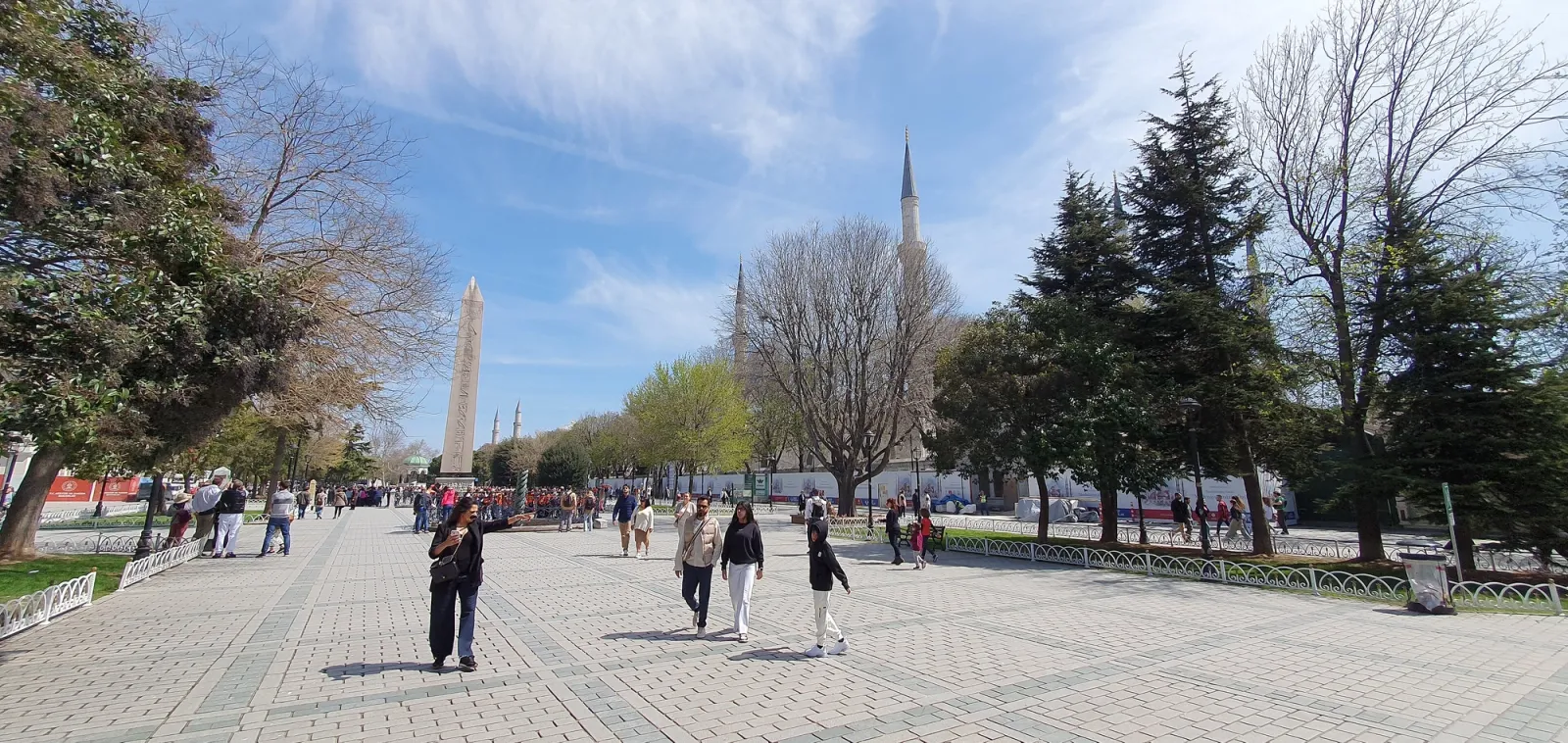
Site of Byzantium's chariot-racing arena, now an open-air museum with an Egyptian obelisk, the Serpent Column and the German Fountain.
Don't miss
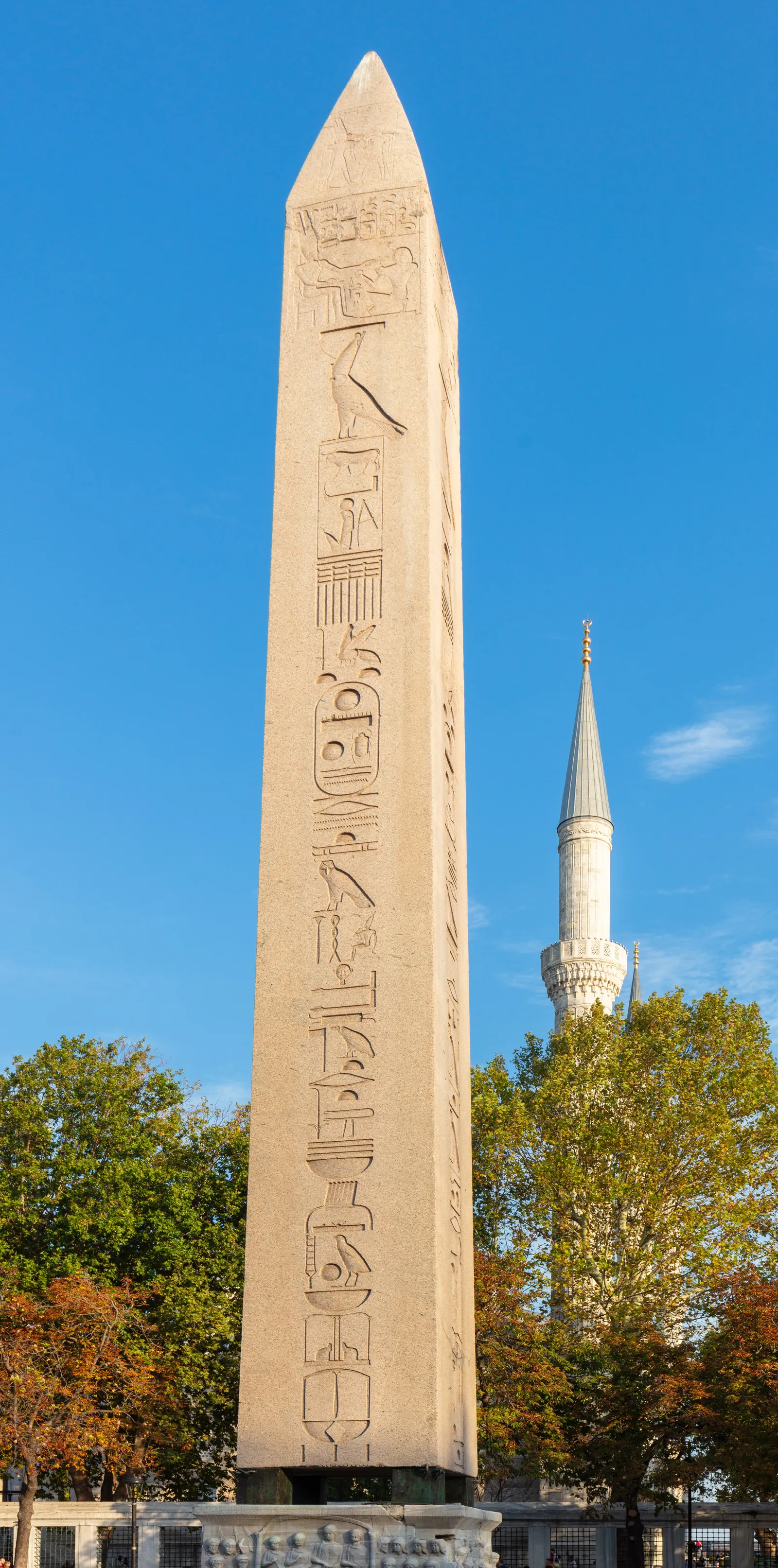
- 01The obelisk and its carved base
- 02Serpent Column
- 03Walled Obelisk
- 04German Fountain
Opening hours
Always open
Not verified yet · check the official site
Tickets
Free
Not verified yet · check the official site
Getting there
| Stop | Line | Walk |
|---|---|---|
| Sultanahmet | T1 Kabataş–Bağcılar tram | 190 m · 3 min |
| Çemberlitaş | T1 Kabataş–Bağcılar tram | 540 m · 7 min |
Walking times were measured along walking routes; crowds and security queues are not included.
Last checked: 16 November 2026 · Source: Metro İstanbul
Short history
The Hippodrome was built at the end of the 2nd century under the Roman emperor Septimius Severus and greatly enlarged by Constantine I, who made the city his new capital and held its inauguration here in 330. For centuries the track, about 420 metres long, was the centre of chariot races, ceremonies and public gatherings. The Nika Revolt of 532 broke out here.
The central barrier of the track was decorated with monuments brought from across the empire. One is the obelisk raised in Egypt for Pharaoh Thutmose III and brought to the city by Emperor Theodosius in 390. The bronze Serpent Column from the Temple of Apollo at Delphi and a second, masonry obelisk also survive.
Most of the statues were destroyed during the Latin sack of 1204. In the Ottoman period the area remained in use as the "Horse Square", and stones from its ruins were reused in nearby buildings. In 1901 the German Fountain, a gift from Emperor Wilhelm II, was placed at the square's northern end.
Last checked: 16 November 2026 · Source: GoTürkiye (Kültür ve Turizm Bakanlığı)
Visitor rules and accessibility
- Dress code: none
- Photos: allowed
- Accessibility unknown