Museum · Historic Peninsula
Museum of the History of Science and Technology in Islam
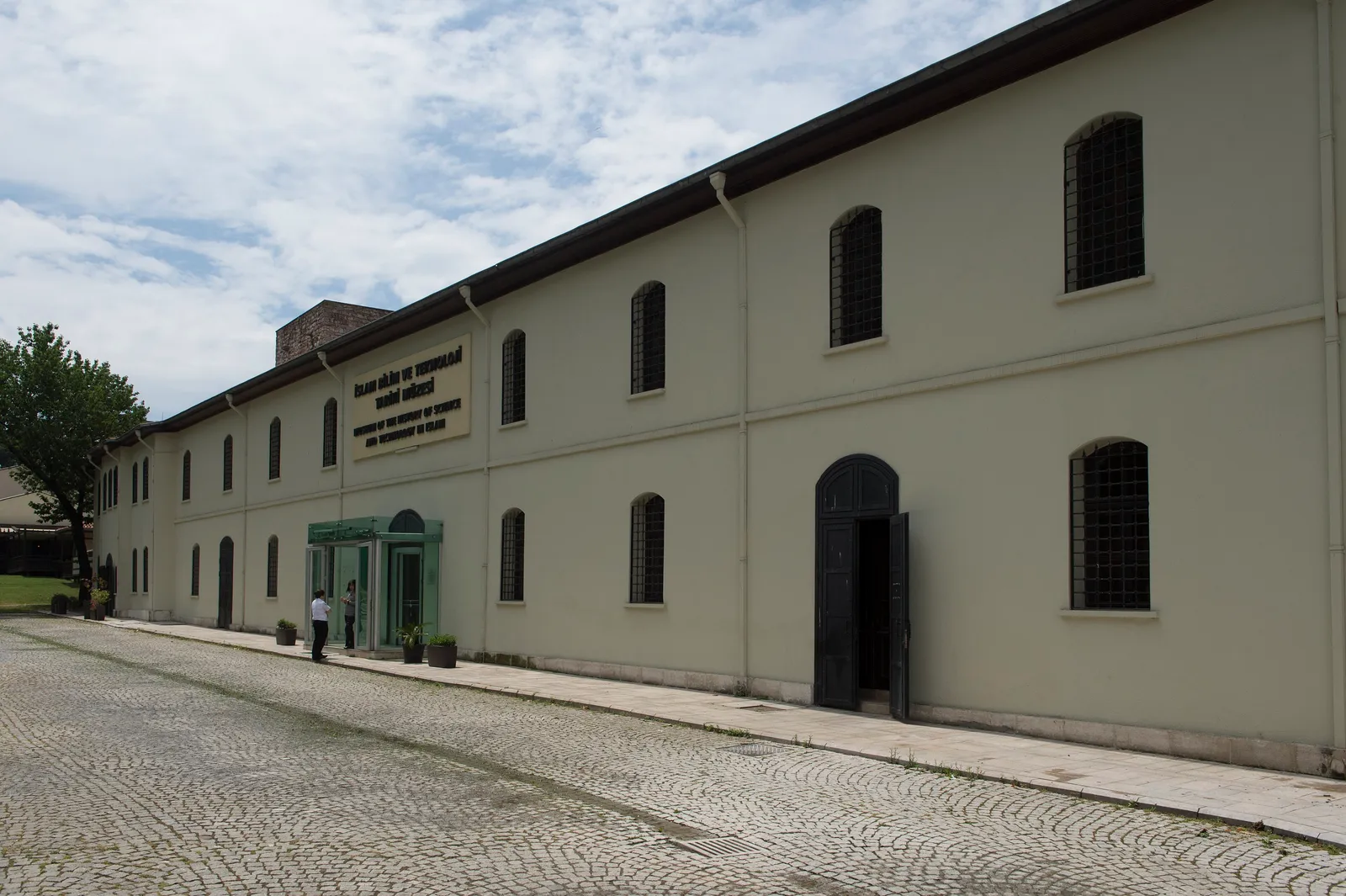
A museum in the former imperial stables in Gülhane Park, showing models of instruments and inventions by scholars of the Islamic world from the 9th to 16th centuries.
Don't miss
- 01Model of al-Jazari's Elephant Clock
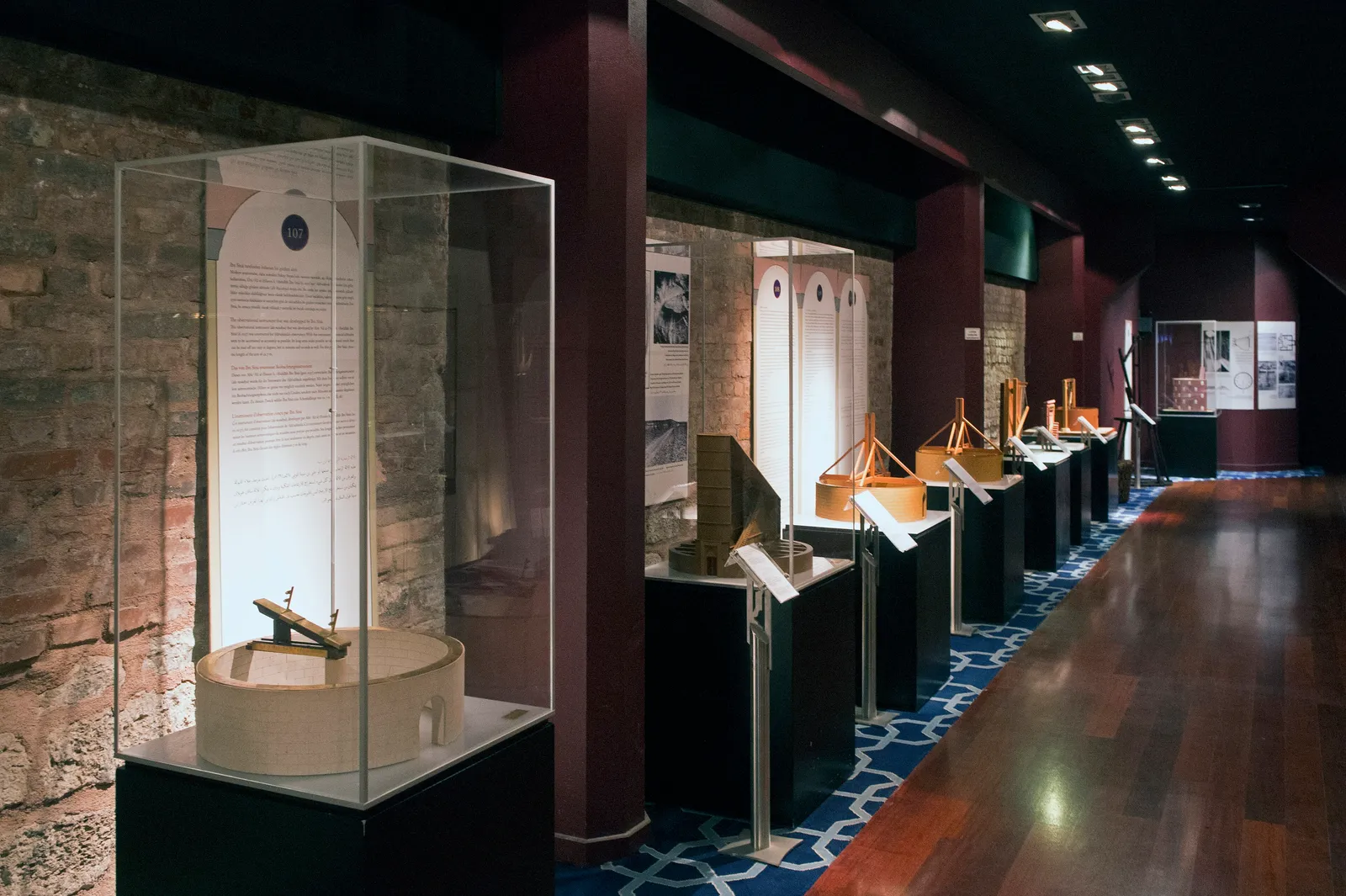
- 02Observatory models and astrolabes
- 03Medicine and chemistry sections
- 04The former Imperial Stables building
Opening hours
| Mon | Tue | Wed | Thu | Fri | Sat | Sun |
|---|---|---|---|---|---|---|
| 09:00–18:30 | 09:00–18:30 | 09:00–18:30 | 09:00–18:30 | 09:00–18:30 | 09:00–18:30 | 09:00–18:30 |
Last entry is 60 minutes before closing.
Last checked: 17 November 2026 · Source: Kültür ve Turizm Bakanlığı – İslam Bilim ve Teknoloji Tarihi Müzesi
Tickets
| Visitor | Price |
|---|---|
| International visitor | €10 |
- Müzekart accepted
- Museum Pass Istanbul accepted
- Free for Turkish citizens under 18
- Free for Turkish citizens 65+
- Free for children under 8
- Tickets are sold on site only
The foreign visitor price applies from age 8. Children under 8 enter free.
Last checked: 17 November 2026 · Source: Kültür ve Turizm Bakanlığı – İslam Bilim ve Teknoloji Tarihi Müzesi
Getting there
| Stop | Line | Walk |
|---|---|---|
| Gülhane | T1 Kabataş–Bağcılar tram | 170 m · 3 min |
| Sirkeci | T1 Kabataş–Bağcılar tram · B1 Marmaray (Halkalı–Gebze) | 450 m · 6 min |
Address: Cankurtaran Mah., Alemdar Cad., Has Ahırlar Binası, Gülhane Parkı, Fatih
Walking times were measured along walking routes; crowds and security queues are not included.
Not verified yet · check the official site
Short history
The museum opened in 2008 on a concept by the historian of science Prof. Fuat Sezgin. At his institute in Frankfurt, Sezgin had commissioned models of instruments and devices from the history of Islamic science, reconstructed from written sources, and the Istanbul collection is based on that work.
It is housed in the former Imperial Stables of Topkapı Palace on the western edge of Gülhane Park. The displays are divided into sections such as astronomy, clocks and navigation, military technology, medicine, mining, physics, mathematics and geometry, architecture and urban planning, chemistry and optics, and geography.
Visitors are greeted at the entrance by a large model of the Elephant Clock described by the 12th–13th-century engineer al-Jazari. Models of observatories, astrolabes and globes are among the other highlights.
Last checked: 17 November 2026 · Source: Kültür ve Turizm Bakanlığı – İslam Bilim ve Teknoloji Tarihi Müzesi
Visitor rules and accessibility
- Dress code: none
- Photo rules unknown
- Accessibility unknown