Mosque · Historic Peninsula
Little Hagia Sophia Mosque
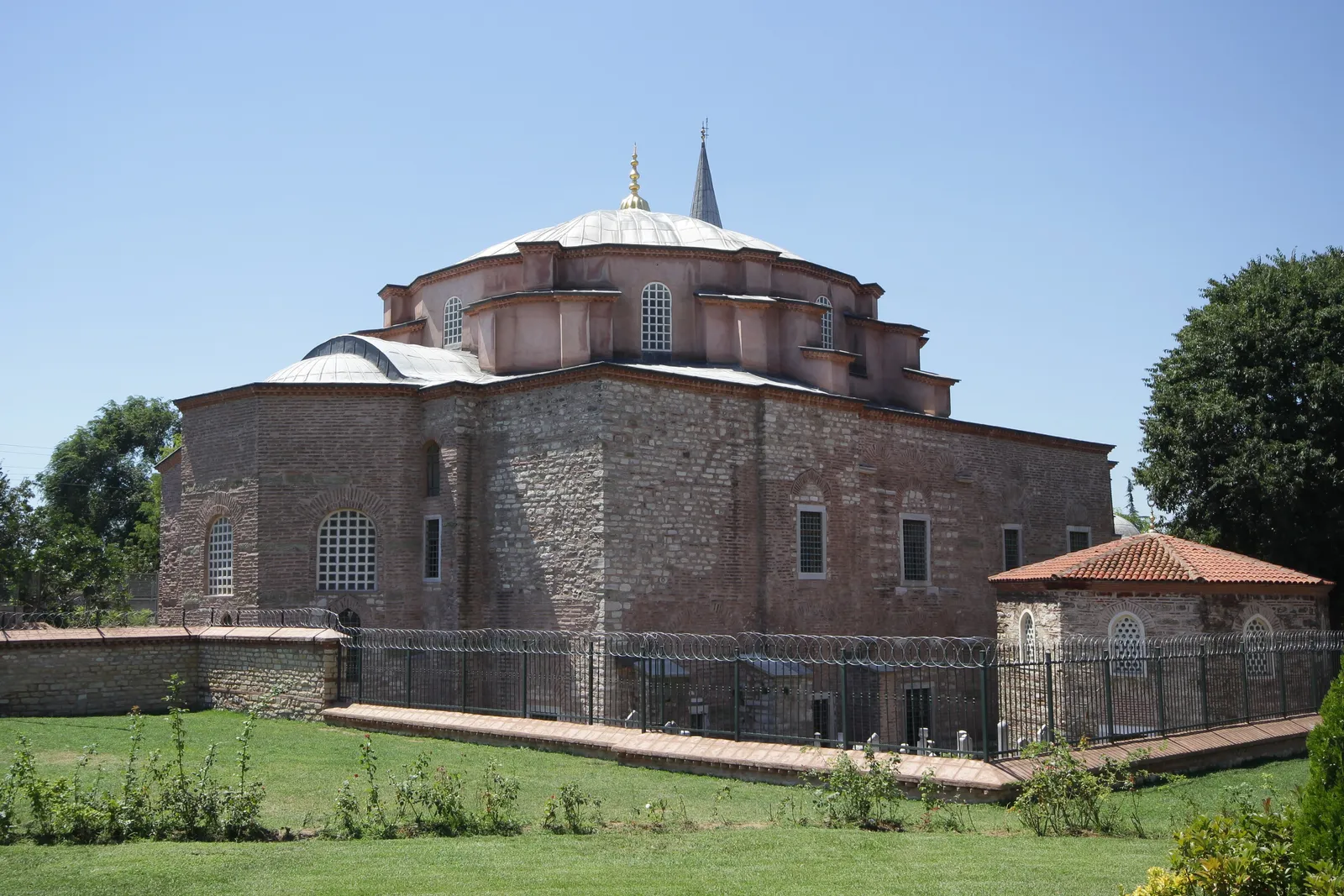
A domed, octagonal building raised in the 6th century as the Church of Saints Sergius and Bacchus and converted into a mosque under the Ottomans.
Don't miss
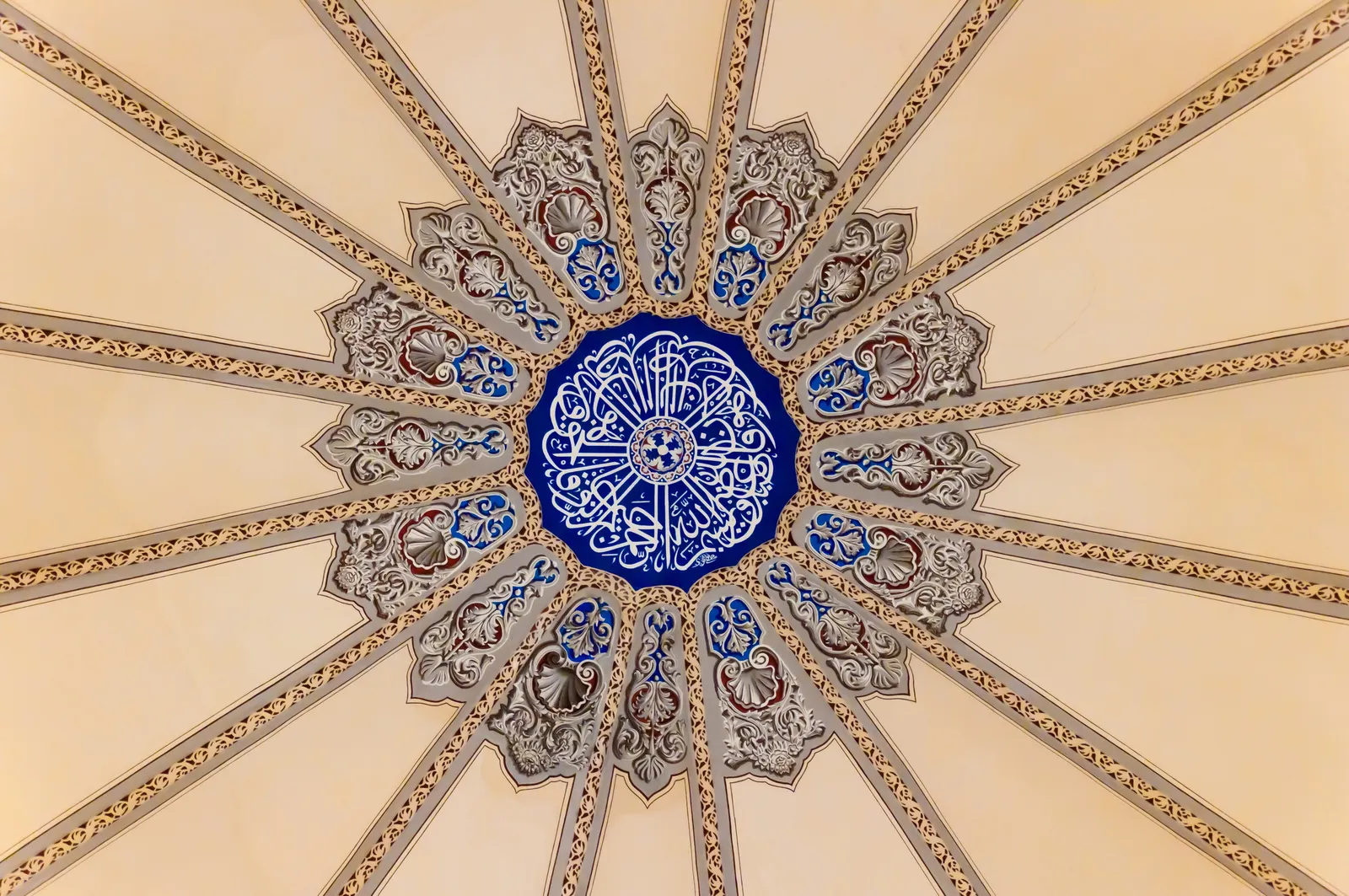
- 01Octagonal plan and dome
- 02Inscribed frieze naming Justinian and Theodora
- 03Byzantine column capitals
- 04Madrasa courtyard and the tomb of Hüseyin Ağa
Opening hours
Check opening hours with the official source
Not verified yet · check the official site
Tickets
Free
Not verified yet · check the official site
Getting there
| Stop | Line | Walk |
|---|---|---|
| Sultanahmet | T1 Kabataş–Bağcılar tram | 860 m · 11 min |
Address: Küçük Ayasofya Mah. Küçük Ayasofya Cad., Fatih
Walking times were measured along walking routes; crowds and security queues are not included.
Last checked: 17 November 2026 · Source: Metro İstanbul
Short history
The building was erected in the first half of the 6th century, under Emperor Justinian I and Empress Theodora, as a church dedicated to Saints Sergius and Bacchus. Its plan, an octagonal core under a dome set inside a square outer wall, is regarded as an important forerunner of the nearby Hagia Sophia, built shortly afterwards. An inscribed frieze running around the interior names the imperial couple.
In the Ottoman period, under Bayezid II, the chief white eunuch Hüseyin Ağa converted it into a mosque, adding a minaret, a portico and madrasa cells around the courtyard. His tomb stands in the mosque's garden.
Over the centuries the building suffered from earthquakes and from the railway passing close by. After an extensive restoration by the General Directorate of Foundations it reopened for worship in 2006 and is used as a mosque today.
Not verified yet · check the official site
Visitor rules and accessibility
- Shoulders and knees covered · headscarf for women
- Photo rules unknown
- Accessibility unknown