Museum · Historic Peninsula
Theodosius Cistern (Şerefiye)
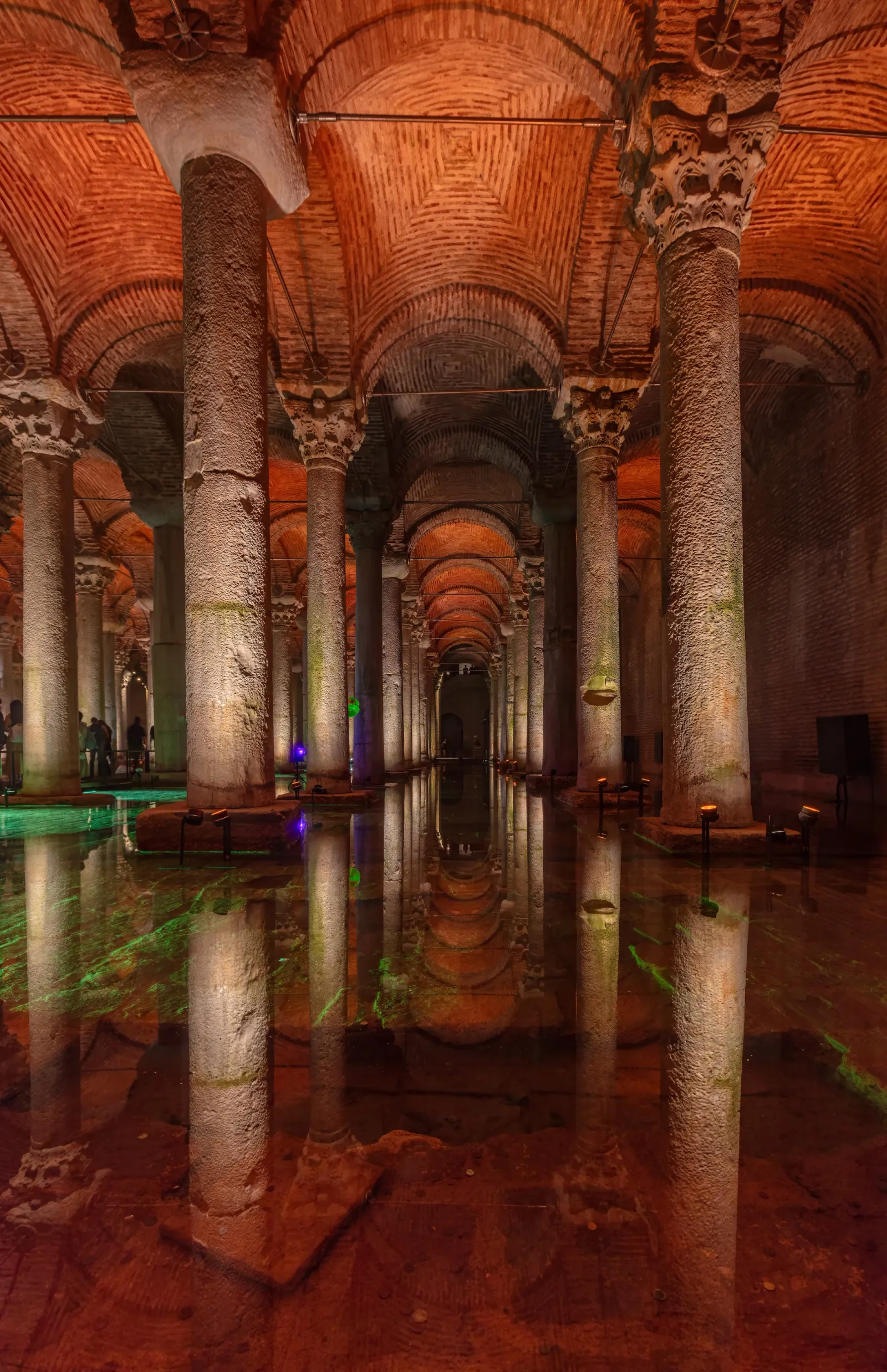
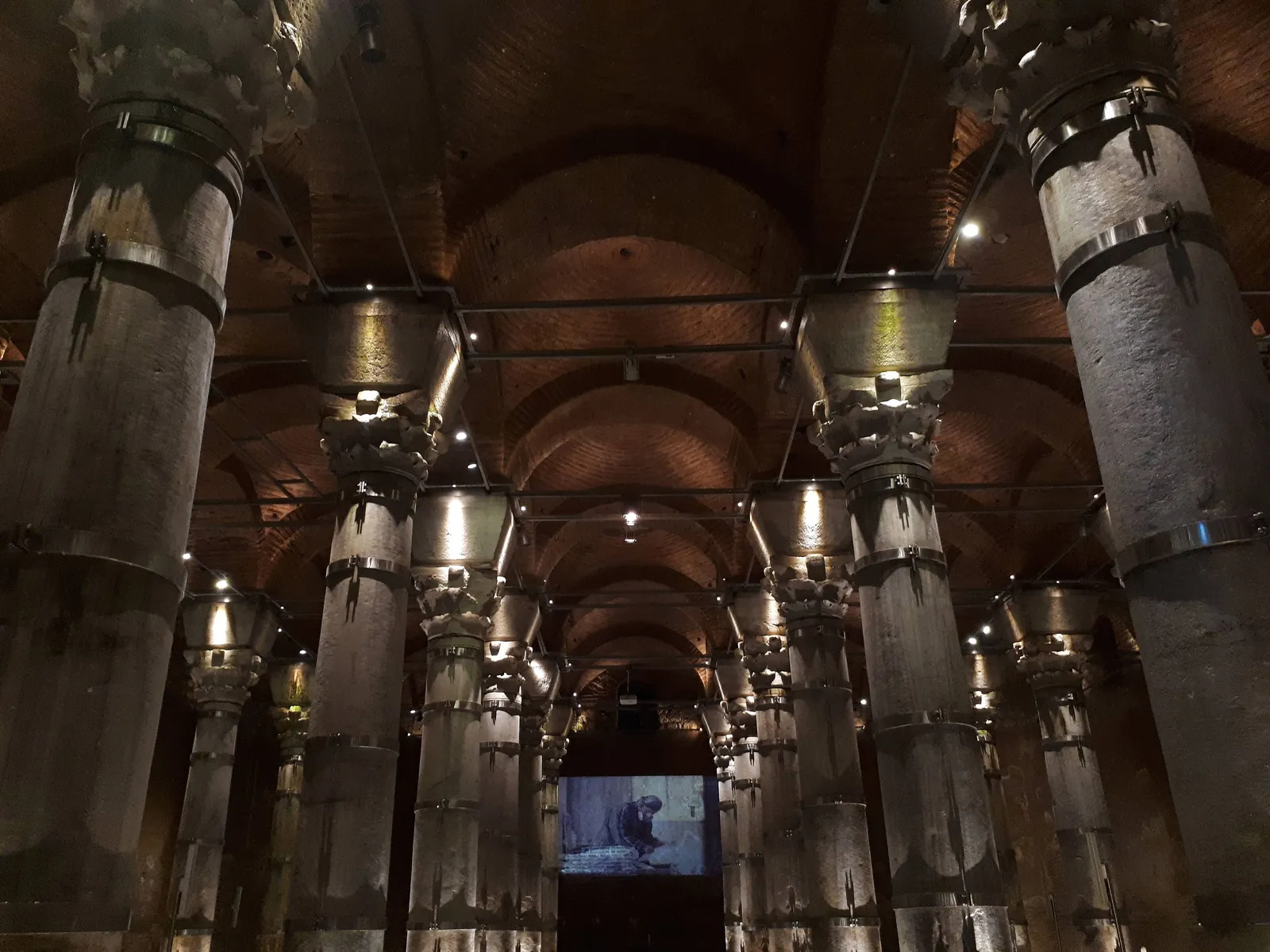
A covered Byzantine cistern with 32 marble columns, thought to date from the reign of Theodosius II in the 5th century.
Don't miss
- 0132 marble columns and 45 vaults
- 02Corinthian capitals with acanthus leaves
- 03Ceiling height of about 11 metres
Opening hours
Check opening hours with the official source
Not verified yet · check the official site
Tickets
| Visitor | Price |
|---|---|
| Turkish citizen | TRY 1 |
- Tickets are sold on site only
The foreign visitor price is not published by the operator; check at the entrance. The 1 TL price applies only to Turkish citizens.
Not verified yet · check the official site · Source: İBB Kültür AŞ – Şerefiye Sarnıcı duyurusu (17.09.2026)
Getting there
| Stop | Line | Walk |
|---|---|---|
| Çemberlitaş | T1 Kabataş–Bağcılar tram | 200 m · 3 min |
| Sultanahmet | T1 Kabataş–Bağcılar tram | 380 m · 5 min |
Address: Binbirdirek Mah. Piyer Loti Cad., Fatih
Walking times were measured along walking routes; crowds and security queues are not included.
Last checked: 17 November 2026 · Source: Metro İstanbul
Short history
The Şerefiye Cistern has no building inscription; on architectural grounds it is attributed to the reign of Emperor Theodosius II (408–450). In a city with limited water sources and frequent sieges, open and covered cisterns were built to store water. Large covered cisterns such as Şerefiye and the Basilica Cistern are known to have supplied nearby buildings, above all the Great Palace and the baths close by.
The cistern covers an area of roughly 24 by 40 metres and its ceiling rises to about 11 metres. The roof is made of 45 vaults resting on 32 columns. Their Corinthian capitals, decorated with acanthus leaves, were carved specially for the cistern from Marmara Island marble. The walls are about 2.5 metres thick and lined with waterproof plaster.
Long hidden beneath later buildings, the cistern opened to visitors after restoration. It is run today by İBB Kültür AŞ, the city's culture company, and occasionally hosts exhibitions and concerts.
Last checked: 17 November 2026 · Source: İBB Kültür AŞ – Şerefiye Sarnıcı duyurusu (17.09.2026)
Visitor rules and accessibility
- Dress code: none
- Photo rules unknown
- Accessibility unknown